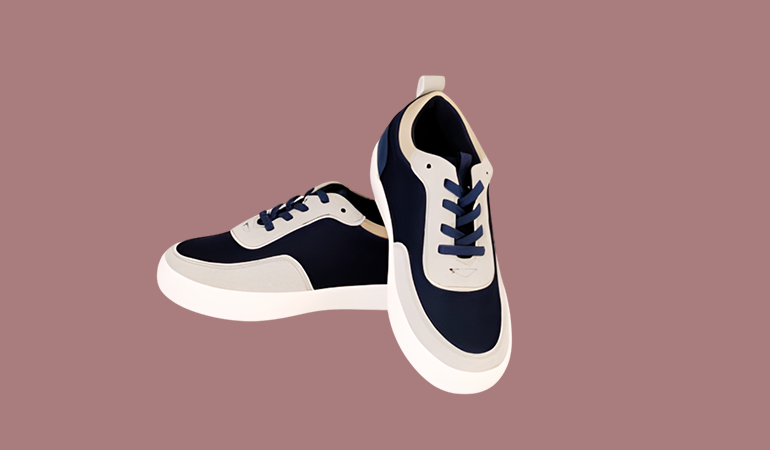
When you buy a fresh pair of shoes, it feels like a fresh start. News shows look sharp, feel comfortable, and promise durability as well. But, have you even imagined what will happen if you wear a single pair of shoes every day for an entire year? There’s a surprising answer to this.
Shoes tend to undergo significant changes over time. While some of these changes tend to be visible, others are completely hidden beneath the surface. When you understand this natural wear and tear, you end up making better purchasing decisions altogether.
Besides, it helps in maintaining comfort, hygiene, and foot wellness as well. Let’s find out more about this, and understand closely, how a pair of shoes is affected by daily use, over a course of a year.
The First Month: Comfort Meets Adjustment
Your shoes begin adapting to your feet, during the initial weeks. During this phase, the following things happen.
- The material starts softening
- The insole molds slightly to your foot shape
- Minor creases begin to form
This can be considered to be a highly comfortable phase, as your shoe will retain its original structure, and will offer improved flexibility as well. So, what should you watch out for?
If the levels of discomfort persist, beyond the break-in period, your fit is not right. Your shoe will feel supportive without causing any pain, if it’s a well-fitted one.
Months 2–4: The Sweet Spot
This is the phase of peak performance. Your shoe pair comes up with its ultimate performance during this phase. The key characteristics of this phase include the following:
- Maximum comfort and flexibility
- Stable support structure
- Reliable grip and traction
Your shoes are fully broken in during this phase and functions as it’s intended to function as well. This is the phase, when your footwear feels just right. You’re more drawn towards this pair.
Months 5–8: Signs of Wear Begin to Show
Your shoes start showing visible and structural changes, as you use them continuously and on a daily basis. The common developments that happen during this phase include:
- Outsole begins to wear down
- Cushioning starts losing its bounce
- Upper material shows more pronounced creasing
- Slight odor buildup due to repeated use
The shoes may still look acceptable, but their performance declines gradually with each passing day. This also has a major impact on comfort as well. You will notice that the shock absorption capabilities have reduced for the given pair and its performance is also declining gradually as well.
Months 9–12: Decline in Support and Structure
Your shoes have undergone significant wear, by the end of the year of daily use. This is what typically happens during this phase:
- Cushioning becomes compressed and less effective
- Soles may become uneven, affecting balance
- Reduced grip increases the risk of slipping
- Interior lining may deteriorate
This is the time when your shoes cease to offer the kind of support that they once did. This is the stage, where you feel your shoes are significantly dilapidated.
The Hidden Effects, You Might Not Notice
Visible wear and tear are easy to spot. But is that all? Important changes happen internally, as your shoes become older with daily use.
1. Loss of Cushioning
While a pair feels and looks fine externally, the midsole loses its ability to absorb impact effectively.
2. Structural Deformation
With your shoes feeling daily pressure, alterations in the shape of the shoe happens. This reduces the levels of support that it offers.
3. Hygiene Concerns
If you’re using your shoes constantly, without giving it the necessary time to dry up, it can result in bacterial growth and persistent odors. These are critical hygiene concerns that must be considered here.
Thus, with such hidden issue, not only the levels of comfort, but your overall foot wellness is strongly impacted, which must be considered here.
How Daily Use Impacts Different Types of Shoes
Different shoes wear out in different ways. No two shoes are same. Their purpose and construction are key elements that determine the rate and type of wear.
Casual Shoes
Casual shoes are designed for everyday use, but they tend to lose their shape faster. Especially, if you’re wearing them constantly, without any kind of rotation.
Sports Shoes
If you’re into high-impact activities, you can expect experiences quicker cushioning breakdown.
Formal Shoes
While formal shoes retain their shape longer, they suffer massive internal wear, if they’re used daily.
With a proper understanding of these common differences, you can set realistic expectations from a given pair of shoes.
Factors That Influence Shoe Lifespan
Daily use is a massive factor, but it’s not the only factor determining your shoe’s lifespan. There are a wide range of other elements as well, which also help in determining how quickly your shoes wear out.
1. Walking Habits
If you walk long distances and on harder surfaces, you might experience faster wear.
2. Body Weight
Higher pressure on your soles means greater compression of the cushioning of your shoes.
3. Climate Conditions
The material of your shoes can be impacted differently by heat, moisture, and dust.
4. Maintenance
The lifespan of your shoes is significantly expanded, if you’re ensuring proper upkeep and maintenance.
Can Shoes Last Longer Than a Year?
Definitely! With proper maintenance and rotation, any shoe can last for years. If you’re wearing the same pair every day, your shoes’ material doesn’t get ample time to recover. Every pair needs time to dry out and regain its shape.
So, what’s the appropriate practice to undertake? Rotating your shoes! You must rotate your footwear between at least two pairs. With this simple habit, you end up expanding the lifecycle of your shoes dramatically.
Signs It’s Time to Replace Your Shoes
Attached to your favorite pair? Everyone else is! You must focus more on replacing it in a timely manner, as this is the smarter choice.
So, here are a few things to look for:
- Noticeable sole wear or uneven tread
- Persistent discomfort or foot pain
- Loss of cushioning
- Visible damage to the structure
- Reduced grip on surfaces
If you ignore these signs, it can result in unwanted discomfort and even cause unnecessary long-term foot issues as well. So, to ensure such things don’t happen, you must replace your shoes in a timely manner.
How to Extend the Life of Your Shoes
Wear and tear in a pair of shoes is inevitable, but a few simple habits can help in slowing that down. Some practical tips include:
- Rotate your shoes regularly
- Keep them clean and dry
- Store them in a well-ventilated space
- Use shoe trees to maintain shape
- Avoid using the same pair for all activities
With these steps, you end up improving durability and also keep your shoes looking and feeling better, and for longer durations as well.
The Cost of Overusing a Single Pair
Do you feel that wearing one pair daily is economical? In reality, it’s absolutely not! It rather costs more in the long run. So, why’s that? Let’s find out:
- Faster wear results in more frequent replacements
- Reduced support can cause discomfort or wellness issues
- Declining appearance may require earlier replacement
You must purchase multiple pairs and rotate them as well, which can prove to be highly cost-effective in the long run.
Final Thoughts: Every Step Leaves a Mark
After one year of daily use, your shoes have done more than just carry you, they’ve adapted, endured, and gradually worn down. While some changes are visible, others quietly affect comfort and support.
The key takeaway is simple: shoes are not designed to last forever, especially under constant use. By understanding how they wear over time, you can make smarter decisions, whether it’s rotating pairs, maintaining them properly, or knowing when to replace them.
So, the next time you slip on your favorite pair, remember, they’re working harder than you think. Maintain them well, and they’ll return the favor with every step you take.