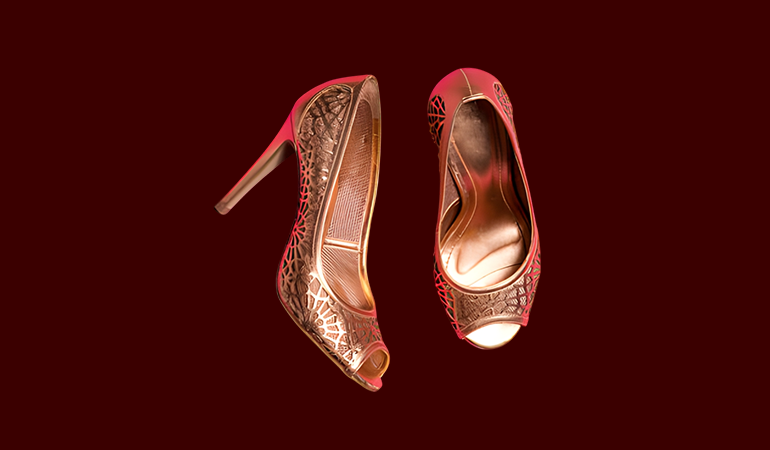
Trends change quickly in the world today, and you end up with too many options. This makes it easy for you to fall into the trap of owning too many shoes. Having variety can be appealing, but it overcomplicates your shoe collection as well.
This often results in clutter, confusion, and unnecessary spending as well. As a matter of fact, there’s no need for you to own a dozen pairs to look stylish and feel prepared as well. You must instead look to accumulate a well-curated, streamlined collection. This offers way more versatility and saves a lot of your hard-earned dollars.
Moreover, it helps in making your everyday decisions way easier than you can even imagine. Have you ever stared at a crowded shoe rack and felt like you’ve nothing to wear? Then this is the ultimate guide for you. Let’s explore how to simplify your shoe collection and not compromise on style or functionality either.
Why Simplicity Wins in the Long Run
While owning too many shoes seems like something amazing, but you end up with too many problems than you can imagine. There are some common downsides of an overcrowded collection, which can include the following:
- Difficulty in choosing the right pair quickly
- Shoes wearing out due to lack of proper rotation
- Wasted dollars on rarely used styles
- Storage and organization challenges
Contrarily, a simplified collection tends to offer enhanced clarity. You have a clear view of what you own, you wear everything you have, and each pair has a fixed purpose to serve as well.
Start with a Clear Assessment
Understanding what you currently own is essential, before you start simplifying your collection. You must ask yourself the following questions:
- Which pairs do I wear regularly?
- Which ones are uncomfortable or impractical?
- Are there duplicates serving the same purpose?
- Do some shoes no longer match my lifestyle?
During this process, honesty is of high need. If you haven’t worn a pair in months or even years, it’s in no way an essential pair at all.
Define Your Lifestyle Needs
Your daily life should be reflected through your shoes, and not your fashion aspirations. The following aspects are a few things that you must consider:
- Your work environment
- Social activities
- Climate and weather conditions
- Travel habits
Comfortable walking shoes are the need of individuals who have an active lifestyle, but if someone is in formal work, they need polished footwear more. When you align your collection with your lifestyle, it helps you in eliminating any unnecessary pairs.
Build a Functional Core Collection
Don’t stick with many similar styles, rather your focus should be on a few versatile essentials. This helps you cover different occasions without any problem at all. Some of the key categories that you can include are:
1. Everyday Casual Shoes
You should have a comfortable pair for daily errands and relaxed outings as well. Such shoes are easy to wear and can help in matching any outfit.
2. Formal or Dress Shoes
Formals are essential for work, meeting, or any special occasion even. You must choose a classic design, which remains stylish over time.
3. Active or Sports Shoes
Do you exercise or walk frequently? Then a good pair of performance shoes is an essential pick for your overall wardrobe. It ensures comfort and greater support as well.
4. Seasonal Footwear
Your picked shoes should depend on your immediate environment as well. This includes sandals, for summer or sturdier options for rainy or cooler days.
You eliminate the need for excessive variety while still being prepared for different situations with the core strategies that have been mentioned here.
Choose Versatility Over Trends
While trendy shoes can be tempting, they end up having a shorter lifespan in any wardrobe. Thus, you must come up with a smart strategy that can be beneficial. Always opt for neutral colors and classic designs, which offers versatility and can be paired with different outfits. With this, you can reduce the need for owning multiple pairs.
Some examples of highly versatile choices include the following:
- Neutral-toned sneakers
- Classic loafers or slip-ons
- Minimalist sandals
- Simple formal shoes
If your shoes can complement a wide range of outfits, it naturally lowers the need for more pairs. This means you’ll end up with fewer pairs altogether.
Focus on Quality, Not Quantity
A big mistake, if not the biggest one, is to buy more shoes than better shoes. This is a critical issue that you must consider altogether. So, why does quality matters? Let’s find out here.
- Better durability
- Improved comfort
- Timeless appearance
- Long-term cost savings
When you have a few high-quality pairs, it simply outperforms a large collection of low-quality shoes. Thus, purchasing wisely can help and can ensure there’s no need for frequent replacements. This also helps in keeping your overall collection manageable as well.
Avoid Duplicate Purchases
Have you ever purchased similar shoes without realizing it? Sounds off, but this is a common problem altogether.
So, how this happen? These are some reasons:
- Slight variations in color or design
- Impulse purchases during sales
- Following trends without evaluating need
You must prevent it and so before buying any new pair, always ask yourself one simple question, “Do I already own something that serves the same purpose?”
If you get yes as an answer, you must reconsider purchasing the item. If you can reduce duplication, it’s one of the swift ways of simplifying your collection.
Organize for Visibility and Access
The problem always isn’t the number of shoes. Rather the problem lies in how your shoes are stored. Some effective organization tips here include:
- Keep frequently used pairs easily accessible
- Store off-season shoes separately
- Use clear or open storage to see everything at a glance
- Maintain a clean and tidy shoe area
If you can see all your options clearly, you won’t end up forgetting what you own. This can help you avoid buying unnecessary additions.
Adopt a “One In, One Out” Rule
Every time you buy a new pair of shoes, make sure to remove the older one. This is a simple, but powerful habit altogether. The key benefits here include the following:
- Keeps your collection from growing uncontrollably
- Encourages thoughtful purchases
- Maintains balance and simplicity
With this simple trick, you can easily make sure that your collection evolves with you, and doesn’t become overwhelming as well.
Think Long-Term When Buying
One of the main reasons your collection is becoming cluttered is due to impulse buying. Always consider the following, before you purchase anything.
- Will I wear this regularly?
- Does it match my existing wardrobe?
- Is it suitable for my climate and lifestyle?
- Will I still like it a year from now?
If a pair doesn’t meet these criteria, it’s likely not a smart addition.
Maintain What You Own
The maintenance of your shoes reduces the need for replacements and keeps your collection in good condition.
Basic Maintenance Tips:
- Clean shoes regularly
- Store them properly
- Rotate usage to avoid overuse
- Repair minor damage instead of discarding
Well-maintained shoes not only last longer but also look better, making your collection feel more refined.
Let Go of Emotional Attachments
Many people hold onto shoes for sentimental reasons, even if they no longer serve a purpose.
Examples:
- Shoes bought for a specific event
- Gifts that don’t fit your style
- Old favorites that are no longer comfortable
While it’s natural to feel attached, keeping too many unused pairs defeats the goal of simplicity. Consider keeping only those with true value and letting go of the rest.
Final Thoughts: Simplify to Step Smarter
A cluttered shoe collection doesn’t add value, it creates confusion. By focusing on versatility, quality, and purpose, you can build a collection that truly works for you.
The goal isn’t to have fewer shoes just for the sake of it, it’s to have the right shoes. When every pair serves a purpose and fits seamlessly into your lifestyle, you’ll find that less really is more.
So, take a step back, reassess your collection, and start simplifying. Because when your shoes are thoughtfully chosen, every step feels lighter, easier, and more confident.